Tackling Male Loneliness: The Team Up Campaign
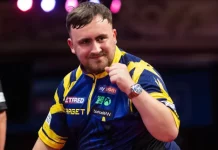
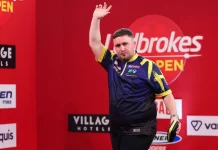
The issue of male loneliness has reached alarming proportions in the UK, with reports indicating that one in every four boys and young men experiences feelings of isolation. In response to this pressing concern, a powerful initiative known as the Team Up campaign has been launched, aimed at creating supportive environments for young men. This campaign features an impressive lineup of sporting legends, including darts sensation Luke ‘The Nuke’ Littler and rugby icon Jonny Wilkinson, who are on board to help drive this important message home.
The Support of Sporting Associations
The Team Up campaign enjoys broad support from several major sporting organizations, including the Premier League, the English Football League, the Rugby Football League, the England and Wales Cricket Board, and the Lawn Tennis Association. These partnerships highlight the significant role that sports can play in fostering connections among young men, providing not only a physical outlet but also a community focus that helps combat loneliness.
High-Profile Advocates
In addition to Littler and Wilkinson, other celebrated athletes are backing the campaign, including Ashes centurion Jacob Bethell, reigning 2024 PDC World Darts Champion Luke Humphries, boxing champion Conor Benn, and four-time Winter Olympian Dave Ryding. Their involvement lends credibility to the campaign and underscores the universal struggle of isolation, even for those who are highly accomplished in their respective fields.
Positive Spaces and Mental Health
At the heart of the Team Up campaign is the goal of creating positive spaces for young men. The initiative aims to address the alarming decline in mental health among young males, significantly exacerbated by negative online influences. By encouraging participation in local clubs, the program hopes to offer a range of activities that foster camaraderie and support. The details are readily accessible on the new Team Up website, making it easier for young men to get involved.
Government Support and Funding
The UK Government is backing this initiative with substantial financial commitments, including a £400 million investment in grassroots facilities aimed at making sports more accessible. An additional £500 million is earmarked for enhancing youth centers and services. Working alongside the government, the fitness app Runna is also providing youngsters with a free trial, offering personalized training plans for both novices and seasoned athletes. This is a powerful step toward ensuring that the benefits of sports reach all young men, regardless of their background.
Insights from Sporting Legends
Jonny Wilkinson, a former England rugby union international, has shared poignant thoughts on the topic. He emphasizes that feeling isolated or lonely is not a failure but rather a common human experience. “It sure can be tough, but it’s definitely not out of the ordinary,” he states. Wilkinson passionately advocates for the transformative power of sports, highlighting how engaging with others can provide a much-needed sense of connection.
Finding Community Through Cricket
Jacob Bethell shares a similar sentiment, articulating how cricket has provided him with a sense of belonging. He stresses the importance of teamwork and belonging, explaining, “Being part of a team teaches you that you matter… you’re stronger together than on your own.” His encouragement for young men to seek camaraderie at local cricket clubs underscores the community-building aspect of the campaign.
The Role of Darts in Wellbeing
Luke Humphries, the reigning PDC World Darts Champion, also offers insights into the importance of community within his sport. “I’ve seen first-hand how important connection and community are within darts,” he remarks, highlighting that engagement in the sport—whether through playing, watching, or supporting—can significantly improve mental wellbeing.
A Broader Movement
Culture Secretary Lisa Nandy has drawn attention to the urgency of addressing loneliness among young men, remarking that too many are left to struggle in silence, which adversely impacts their mental health. She emphasizes that the campaign’s objective is to leverage the power of sports to reach out to young men, providing them with meaningful activities and support networks. By challenging stigmas surrounding mental health, the initiative seeks to reassure young men that they are not alone; a supportive community stands ready to help.
Conclusion
The Team Up campaign represents a comprehensive effort to combat male loneliness through the unifying power of sports. By fostering supportive environments and encouraging connection, this initiative aims to create lasting change in the lives of young men across the UK. With the backing of sporting icons and substantial government support, its impact could be profound and far-reaching.